March 12, 2026
Choosing the right tile flooring for your home involves a careful consideration of various elements such as durability, aesthetic appeal, functionality, and budget. This article will guide you on how to select the ideal tile for each room, ensuring your home not only looks beautiful but also meets your practical needs. With numerous tile options available, understanding their characteristics and suitability for different spaces is crucial. Each room has its unique demands, and selecting the appropriate tile can enhance both usability and visual appeal. Additionally, this decision impacts long-term maintenance, sustainability, and overall home value.
1. Ceramic Tiles
Ceramic tiles are a popular choice for many homeowners due to their durability and versatility. They are made from clay that is fired in a kiln, then glazed to provide a protective coating. With a wide variety of designs, colors, and finishes, ceramic tiles can easily complement different decor styles. Not only are they affordable, but they are also resistant to stains and humidity, making them ideal for kitchens and bathrooms. However, it's important to note that ceramic tiles may chip or crack under heavy impact.
The installation process for ceramic tiles is straightforward, though it does require attention to detail. Proper grouting ensures that moisture does not seep beneath the tiles, which could cause long-term damage. A key tip when purchasing tiles is to buy 10% to 15% more than needed to account for mistakes or future replacements, as recommended by Fixr. This extra supply can also accommodate for any breakage during the installation. Investing in ceramic tiles is often a cost-effective choice that doesn’t compromise on aesthetic appeal or functionality.
The variety in design that ceramic tiles offer is one of their most appealing aspects. Homeowners can choose from traditional styles to more contemporary or even customized designs. Given their affordability, ceramic tiles allow for creative freedom without breaking the bank. Additionally, their low-maintenance nature means less time spent on cleaning or upkeep. This makes them a practical choice for busy households or those looking for durable yet stylish flooring solutions.
2. Porcelain Tiles
Porcelain tiles are a more refined version of ceramic tiles, known for their density and water resistance. Made from finer clays and fired at higher temperatures, they are stronger and more durable than their ceramic counterparts. This makes them ideal for areas with high foot traffic or significant wear, such as hallways and kitchens. Porcelain tiles are also available in a variety of styles, including those that mimic natural stone or wood. Their low porosity makes them highly resistant to staining, an attractive feature for homeowners.
While porcelain tiles are more expensive upfront, their durability offers long-term value. They require minimal maintenance and can withstand heavy usage without showing signs of wear. For those living in climates with significant temperature variations, porcelain tiles are suitable as they are less likely to crack. The installation may be more labor-intensive due to their density, requiring precision and patience. Nevertheless, the end result is a stunning, resilient floor that can last for decades.
The aesthetic versatility of porcelain tiles is one of their most significant advantages. Whether you prefer a sleek modern finish or a rustic natural look, there's a porcelain option to suit your taste. Additionally, they are available in both glazed and unglazed finishes, allowing for further customization. Porcelain tiles can also be used on walls, offering cohesive design opportunities throughout a home. Their combination of style and practicality makes them a desirable choice for many homeowners seeking long-lasting flooring solutions.
3. Natural Stone Tiles
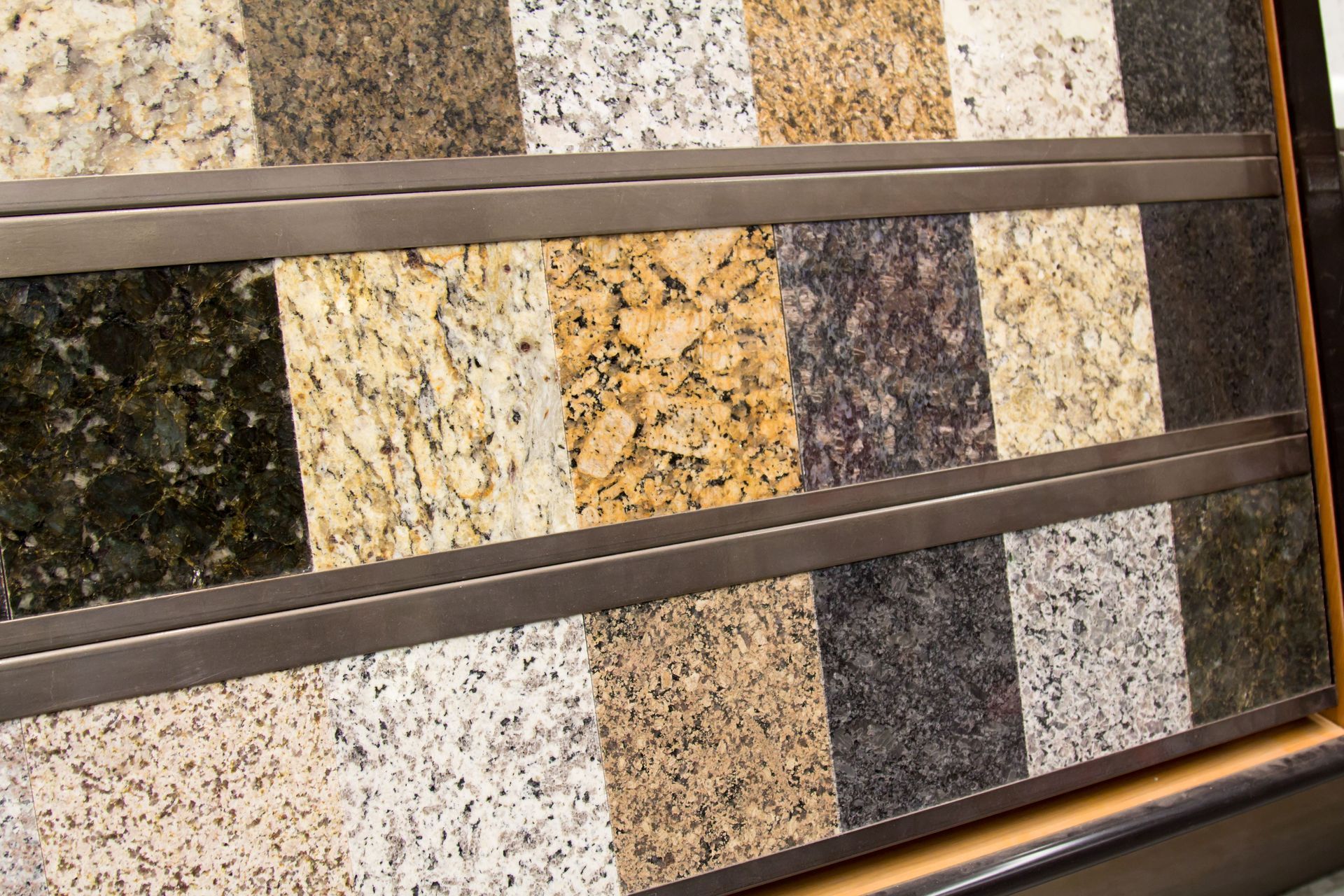
Natural stone tiles, such as marble, granite, or travertine, bring an element of luxury to any space. Each tile is unique, offering a timeless appeal that synthetic materials often struggle to replicate. They are known for their durability and can significantly enhance the value of a home. However, natural stone tiles require more maintenance and care than other tile options. Sealing the tiles regularly is necessary to prevent staining and damage from moisture.
The installation of natural stone tiles can be complex, requiring skilled labor to ensure precision. These tiles are generally heavier and may require reinforced subflooring. Despite their higher maintenance needs, many homeowners find the authenticity and elegance of natural stone tiles to be worth the extra effort. They are especially popular in spacious areas like entryways and living rooms, where their beauty can be on full display. When cared for properly, natural stone tiles can maintain their grandeur for generations.
Natural stone tiles can seamlessly integrate with various design schemes. From the crisp sophistication of marble to the warm rustic feel of travertine, they complement both modern and traditional aesthetics. Their organic patterns and colors can add depth and dimension to any room. As they age, natural stone tiles develop a patina that many find appealing, adding character to the flooring. With proper maintenance, these tiles offer a long-lasting, visually stunning flooring option.
4. Glass Tiles
Glass tiles are often chosen for their vibrant colors and reflective qualities, making them a favorite in decorative applications. These tiles can create striking backsplashes, accent walls, or bathroom inlays. They are available in a myriad of hues and finishes, from translucent to opaque, offering endless design opportunities. One of the primary advantages of glass tiles is their light-enhancing properties, which can make small spaces appear larger.
However, glass tiles are not as robust as other tile types, being more susceptible to chipping and cracking. They are best used in areas with less foot traffic to minimize wear and tear. Despite these limitations, glass tiles are relatively easy to clean and maintain, as their non-porous surface resists mold and mildew. Their unique aesthetic appeal often outweighs the drawbacks, especially in spaces where visual impact is desired over durability. Using glass tiles can transform a mundane area into a high-impact design feature.
Glass tiles have become popular in contemporary designs, offering sleek surfaces and vivid colors. When illuminated from the side, their depth and sparkle can highlight architectural features, enhancing the overall ambiance of a room. The installation of glass tiles requires precision to ensure uniformity and to prevent excess adhesive from becoming visible. Used creatively, they can serve as eye-catching elements that accentuate a room's elegance and sophistication. Their ability to reflect light ensures they draw the eye, creating focal points in your home.
5. Cement Tiles
Cement tiles, known for their handmade quality and vibrant patterns, have garnered attention for their design flexibility. They are made by pouring cement into a mold and pressing pigments into the surface, resulting in bold, colorful patterns. These tiles can add a one-of-a-kind charm to any room, providing both functionality and aesthetic appeal. Cement tiles are durable and suitable for both indoor and outdoor use. However, they do require sealing to prevent stains and moisture absorption.
The installation of cement tiles can be challenging, often requiring a seasoned professional to ensure the best results. Given their handmade nature, there may be slight color variations, which should be embraced as part of their charm. It's also recommended to order 10% to 15% more than needed, according to Fixr's advice, to accommodate cutting, breakage, or future replacements. Once installed, cement tiles are considered low-maintenance, needing only occasional resealing based on foot traffic and environmental factors. Their longevity and unique designs make them a desirable flooring choice.
Cement tiles are recognized for their versatility in design, allowing for custom patterns that can act as a room's focal point. Whether it's a striking kitchen backsplash or an ornate bathroom floor, these tiles make a bold statement. Their ability to withstand weather conditions makes them ideal for patios and walkways, adding vibrant color to outdoor living spaces. As they age, cement tiles develop a patina similar to natural stone, enhancing their visual appeal. For homeowners seeking a distinctive, durable, and artistic flooring option, cement tiles are an excellent choice. Be sure to reach out to Leeway Ceramic Tile today for more information on our professional tile flooring!