November 25, 2026
Choosing tile for a home renovation or construction project involves more than finding a color or pattern you like. The right selection can influence a room's appearance, comfort, durability, and maintenance requirements for years. Whether you're updating a bathroom, refreshing a kitchen, or installing new flooring, asking thoughtful questions before making a purchase can help you avoid unnecessary expenses and frustrating surprises. Visiting a tile store with a clear understanding of your priorities makes it easier to compare options, evaluate quality, and choose materials that genuinely suit your space. Before settling on a design, consider these seven important questions that can help you make a confident purchasing decision.
Understanding Material Differences
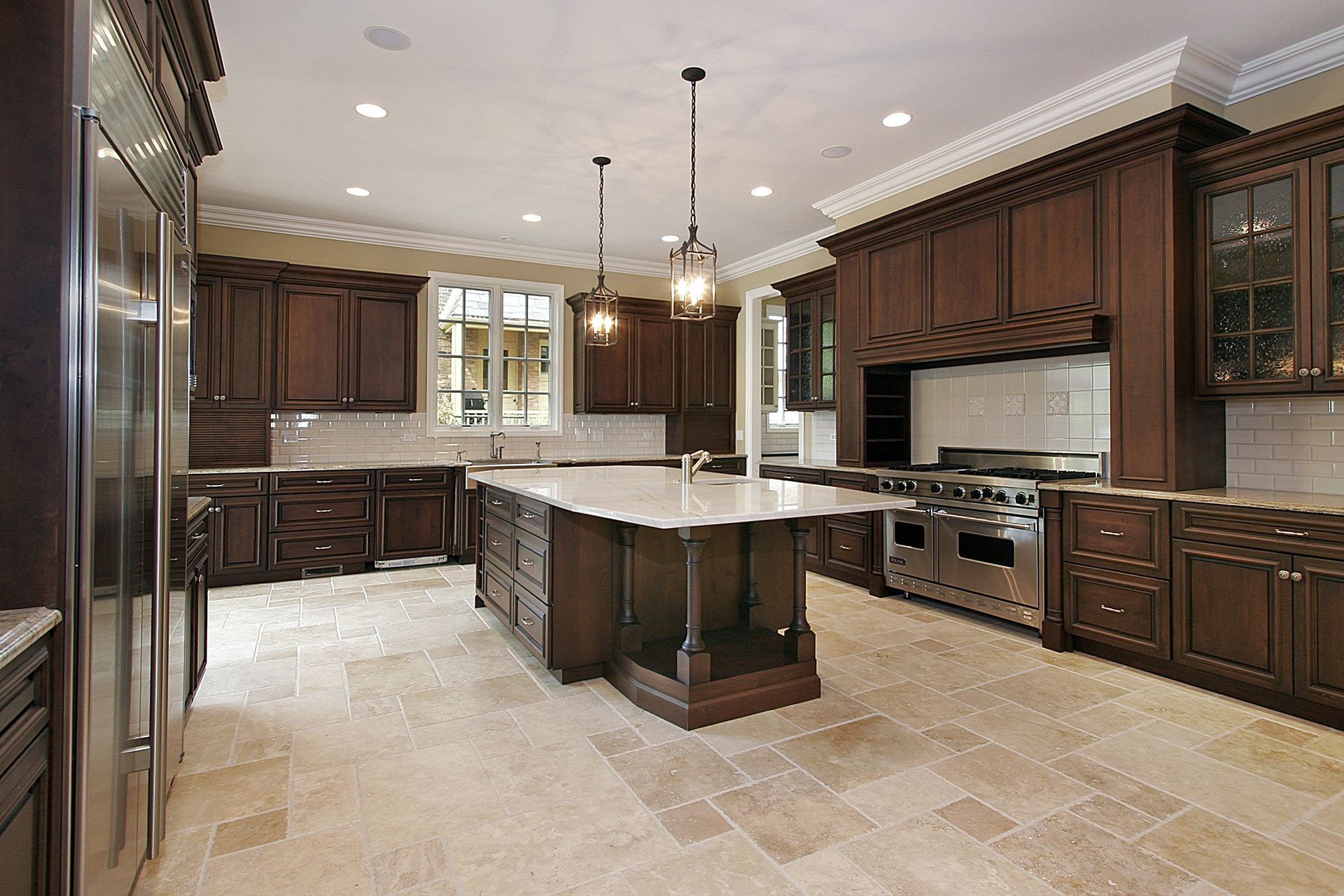
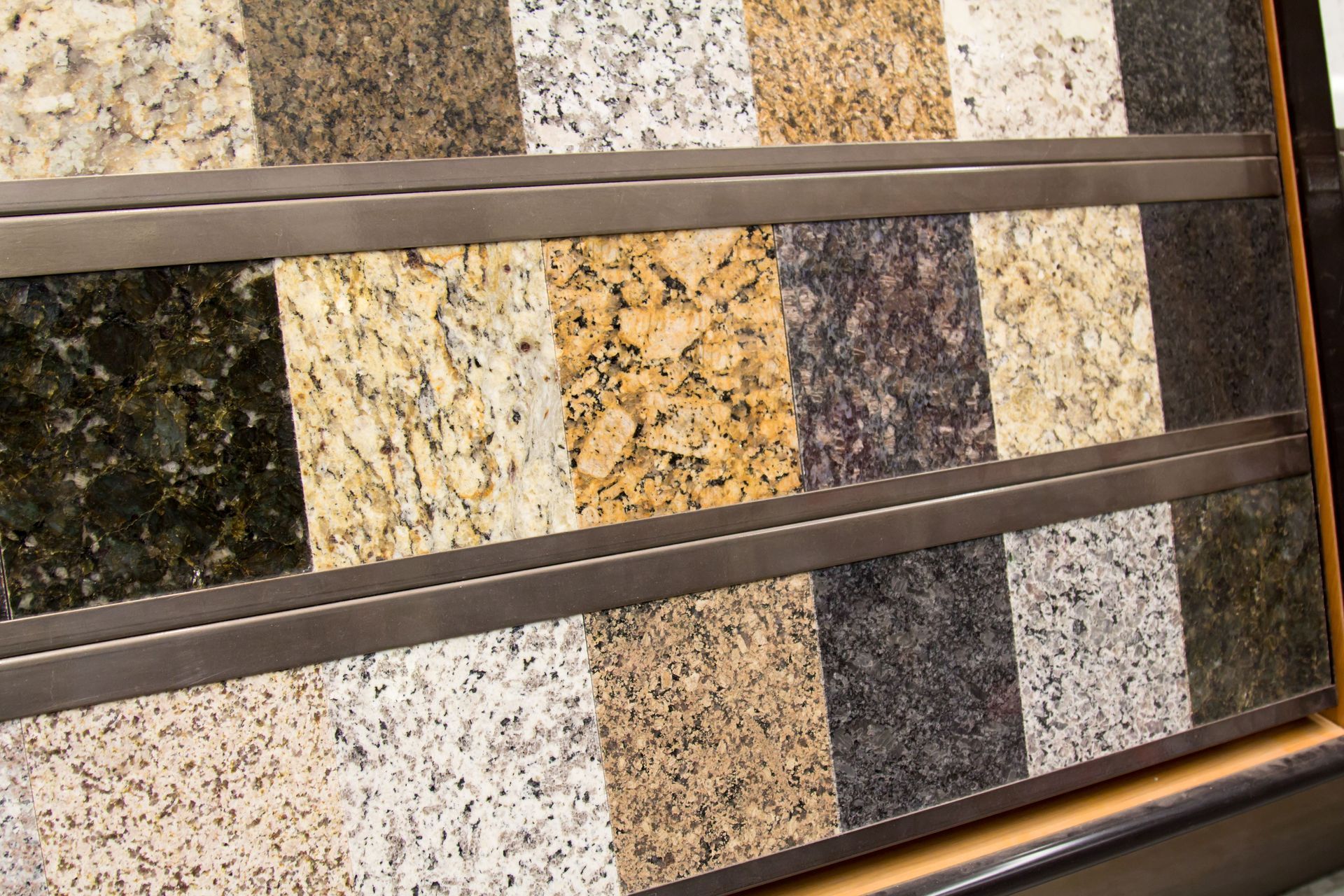
One of the first questions to ask is what materials are available and how they differ in everyday performance. Ceramic and porcelain are common choices because they offer versatility, attractive designs, and dependable durability, although porcelain generally has a denser composition and lower water absorption. Natural stone options, including marble, granite, and travertine, provide distinctive patterns and organic character but may require additional sealing and maintenance. When visiting a tile store, discuss where each material performs best, particularly if you're shopping for bathrooms, kitchens, entryways, or outdoor applications. Understanding these differences allows you to prioritize appearance, maintenance, and performance instead of choosing solely based on price. According to Forbes, appropriately maintained tile can remain resistant to lasting damage and continue performing for more than 20 years, making long-term care an important consideration when comparing materials. Ask whether the products you're considering have specific cleaning recommendations or installation requirements that could affect their lifespan.
Comparing Tile Sizes and Measurements
Tile dimensions can significantly influence how a finished room looks and functions. Large-format tiles often create a more streamlined appearance because they reduce the number of grout lines, while smaller tiles provide flexibility for intricate patterns, decorative borders, and curved surfaces. A tile store can help you compare available dimensions and determine whether particular sizes will complement your room's layout, proportions, and architectural features. Remember that the dimensions printed on packaging may differ slightly from actual measurements, so confirming sizing and thickness is particularly important when coordinating transitions between flooring materials. Ask how tile size affects installation costs, cutting requirements, and the amount of material needed for your project. It's also worth discussing grout spacing, since different sizes and layouts can influence the final appearance and cleaning requirements. By evaluating measurements before purchasing, you can reduce unnecessary cutting, minimize material waste, and achieve a more balanced design.
Exploring Color and Finish Options
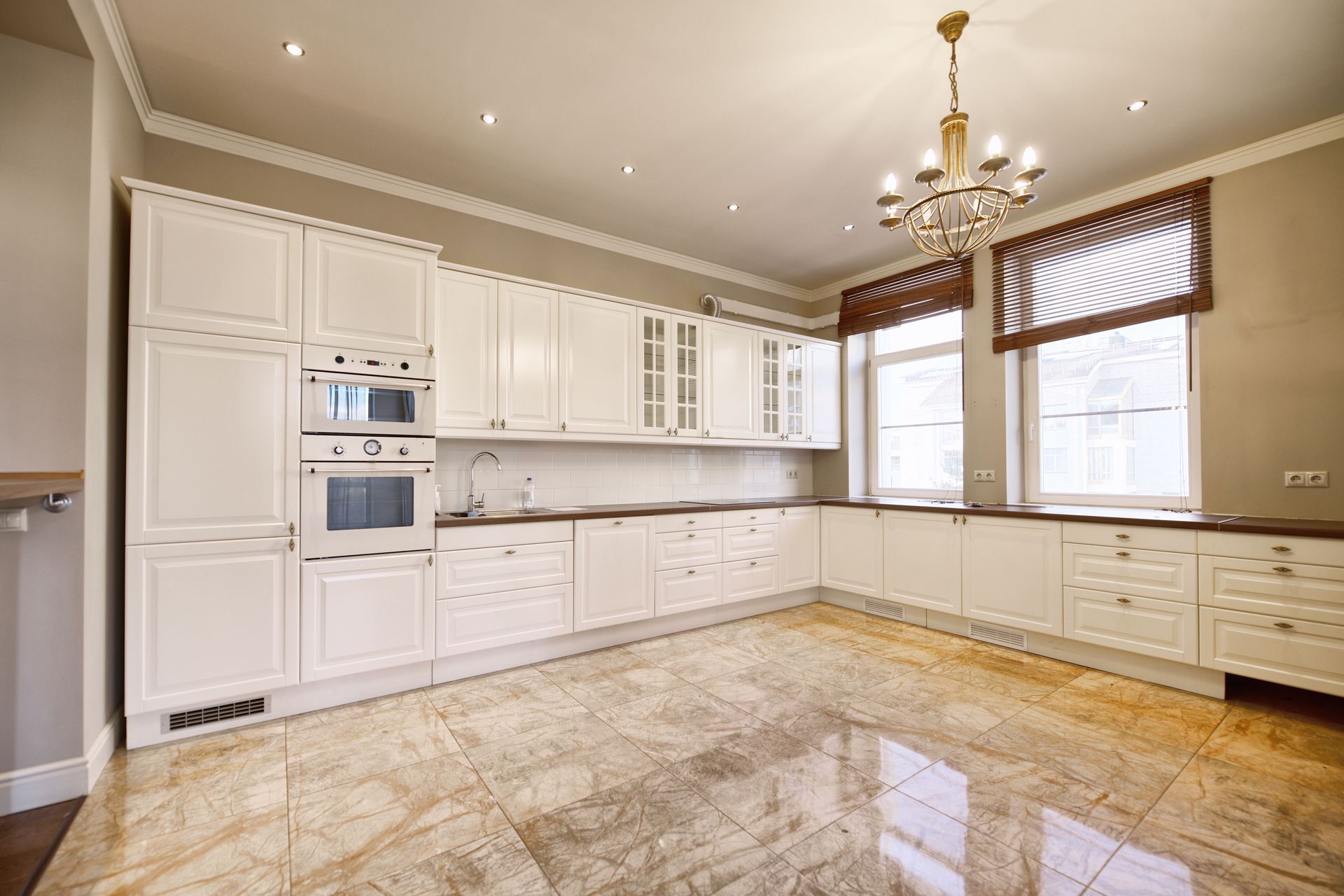
Color and finish are often the most exciting parts of selecting tile, but they deserve careful consideration beyond their initial visual appeal. Neutral shades such as white, beige, and gray can create a versatile foundation, while richer colors and patterned designs introduce personality and visual interest. When exploring a tile store, request samples that you can compare against your cabinetry, countertops, paint colors, and other existing finishes. Lighting also matters because natural sunlight and artificial fixtures can change how a tile's color appears throughout the day. Ask whether the available finishes are glossy, matte, polished, or textured, and discuss how each option affects cleaning and everyday use. Glossy surfaces may reflect light beautifully, whereas matte finishes can offer a more understated appearance. Choosing colors and textures that complement your surroundings helps create a cohesive design that remains appealing long after installation.
Evaluating Slip Resistance and Safety
Safety should be part of every tile purchasing decision, especially when materials will be installed in areas exposed to moisture. Bathrooms, laundry rooms, kitchens, patios, and pool surroundings have different requirements depending on water exposure, footwear, and intended use. Ask the salesperson how the products are tested for slip resistance and whether their ratings or technical specifications are appropriate for your installation location. A tile store should be able to provide product information that helps you compare suitable options rather than relying exclusively on appearance. Textured finishes can improve traction in certain applications, although they may require more attention during cleaning because dirt can collect in surface irregularities. Consider how household members will use the space, including children, older adults, and anyone who may benefit from additional stability. Selecting an appropriate surface helps balance comfort, functionality, and safety without compromising your preferred design.
Reviewing Warranty and Product Coverage
Before committing to a purchase, ask what warranty protection comes with the materials and which conditions apply. Manufacturers may provide coverage for certain defects, but warranties generally do not cover every problem associated with installation, maintenance, or ordinary wear. Understanding the terms can help you distinguish between product-related issues and damage caused by improper handling or installation. Ask whether the warranty requires professional installation, approved adhesives, specific grout products, or particular cleaning methods. A knowledgeable tile store representative should help you locate the manufacturer's documentation and explain where additional clarification may be necessary. It's also important to understand whether discontinued products can be replaced if a future repair becomes necessary. Reviewing these details before purchasing gives you a clearer picture of your investment and helps prevent misunderstandings if something goes wrong.
Preparing for Installation Requirements
Installation requirements can affect your project's timeline, budget, and final appearance, so they should never be overlooked. Ask whether your chosen materials require specialized adhesives, waterproofing systems, underlayment, leveling equipment, or particular preparation methods. Different surfaces and environments may require different installation approaches, particularly when working with natural stone, large-format materials, or moisture-prone spaces. When discussing your project with a tile store, explain where the materials will be installed and whether you're planning a DIY project or hiring a professional. This information can help determine which products and accessories are appropriate for the job. You should also ask about recommended grout types, spacing, curing times, and maintenance after installation. Understanding these requirements beforehand makes it easier to coordinate contractors, purchase necessary supplies, and avoid preventable delays.
Calculating Quantities and Project Costs
The final question should focus on how much material you'll need and what the complete project is likely to cost. Tile pricing typically reflects more than the amount covering your floor or wall, since installation supplies, labor, cutting, and waste can contribute substantially to the overall expense. Ask whether the salesperson can help calculate square footage and recommend an appropriate allowance for extra material based on your layout and installation pattern. Purchasing additional tile from the same production batch can be especially helpful because slight color or finish variations may occur between manufacturing batches. A tile store can also explain packaging quantities, delivery arrangements, return policies, and whether special orders involve additional fees. Compare estimates carefully instead of focusing exclusively on the advertised price per square foot. A detailed budget gives you a realistic understanding of the project's financial requirements and helps prevent unexpected expenses after work begins.
Buying tile becomes considerably easier when you understand what questions to ask before making a commitment. Material composition, dimensions, appearance, safety, warranty coverage, installation requirements, and overall costs all influence whether a product will meet your expectations. Taking time to compare options and request practical information helps you make decisions based on your home's needs rather than temporary design preferences. Samples, product specifications, and knowledgeable guidance can also make the purchasing process more straightforward and reduce the likelihood of costly mistakes. Ultimately, a well-planned selection can provide attractive surfaces, reliable performance, and lasting value throughout your home. For guidance selecting materials and planning your next project, contact Leeway Ceramic Tile Inc.